The right IT support services help schools and colleges operate smoothly, prevent downtime, and enhance the overall learning experience.
This guide breaks down the most effective IT solutions for educational institutions and explains how to choose the right IT partner.
Why IT support is essential in modern education
Schools and colleges depend on technologies such as cloud platforms, WiFi networks, learning management systems (LMS), and safeguarding tools. Without strong IT support, everyday learning can easily be disrupted.
High‑quality IT support ensures:
- Consistent uptime for learning platforms
- Secure protection for student and staff data
- Smooth operation of classroom hardware
- Reliable connectivity across campus
- A strategic roadmap for future IT improvements
Top IT support services for schools and colleges
1. Managed IT support
Managed IT support gives schools access to a fully equipped technical team without needing an in‑house department.
Typical features include:
- 24/7 help desk
- Device and server management
- Cyber security monitoring
- Backup and disaster recovery
- Software updates and patch management
This approach reduces costs, increases system reliability, and frees educators to focus on learning—not technical issues.
2. Student technology support
Students rely on devices and online platforms every day. Student tech support ensures they can access lessons without interruption.
Common services include:
- Device troubleshooting (laptops, tablets, Chromebooks)
- Login and password resets
- Connectivity support
- Assistance with online learning platforms
- Safety filtering guidance
This support is especially vital in hybrid or remote learning environments.
3. Classroom technology solutions
Modern classrooms need fully supported and integrated digital tools. Classroom IT solutions typically include:
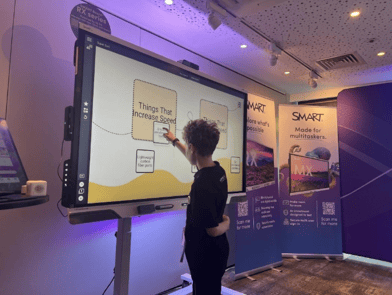
- Interactive whiteboards
- Projectors and AV systems
- Classroom management software
- WiFi optimisation
- Digital collaboration tools
These technologies make lessons more engaging and interactive.
4. Microsoft education support
Microsoft remains one of the most widely used platforms in schools. Supporting these tools effectively helps ensure seamless digital learning.
Key areas include:
- Office 365 management
- Teams for Education
- Intune device management
- Azure cloud services
- Identity and access management
5. Microsoft education training
Empower your teaching and facilitate innovative learning for your students with Microsoft education training.
Key areas include:
How to choose the right IT support provider
When evaluating IT support services, schools should consider:
- Budget and funding constraints
- Current IT infrastructure
- Scalability needs
- Security and compliance requirements
- Provider’s education-sector experience
- Availability of both remote and on‑site support
Choosing a specialist with education experience ensures better safeguarding compliance, user-friendly solutions, and long‑term value.
The benefits of outsourcing IT support
Practical and operational benefits
More schools now outsource IT due to benefits in security, performance, management and cost:
- Lower long‑term costs
- Access to specialist expertise
- Faster response and issue resolution
- Stronger cyber protection
- A strategic, future-proof technology plan
Learning benefits
Technology is enabling and facilitating better learning experiences and outcomes, empowering teachers, increasing pupil engagement and enriching the classroom experience:
- Personalised learning paths
- Instant access to learning resources
- Better collaboration among students
- Support for SEND and diverse learning needs
- Preparation for a digital workforce
Schools that invest wisely in IT create stronger educational outcomes.
The growing demand for IT skills in education
As digital transformation accelerates, technology is playing a key role in enhancing learning and schools increasingly require IT professionals skilled in:
- Networking
- Cyber security
- Cloud infrastructure
- EdTech implementation
- Support and troubleshooting
Online IT certification programmes are helping build the next generation of education‑sector IT specialists.
Wavenet: A trusted IT partner for UK schools and the public sector
For educational institutions seeking a reliable and experienced IT services provider, We are one of the UK’s leading education technology specialists. With over 30 years of experience delivering designed‑for‑schools solutions, we supports more than 4,000 education establishments nationwide across cloud platforms, cyber security, communications, safeguarding, and network services.
We provide ICT services, broadband, WiFi, audio‑visual systems, remote support, and fully managed IT services - all delivered by DBS‑checked staff and supported with clear, transparent SLAs.
By partnering with us, schools gain access to expert guidance, best‑practice ICT strategy, robust cybersecurity, and a long‑term technology roadmap - helping them create a connected, secure, and future‑ready educational environment.